By Agua Preciosa
-Aug 26th, 2025
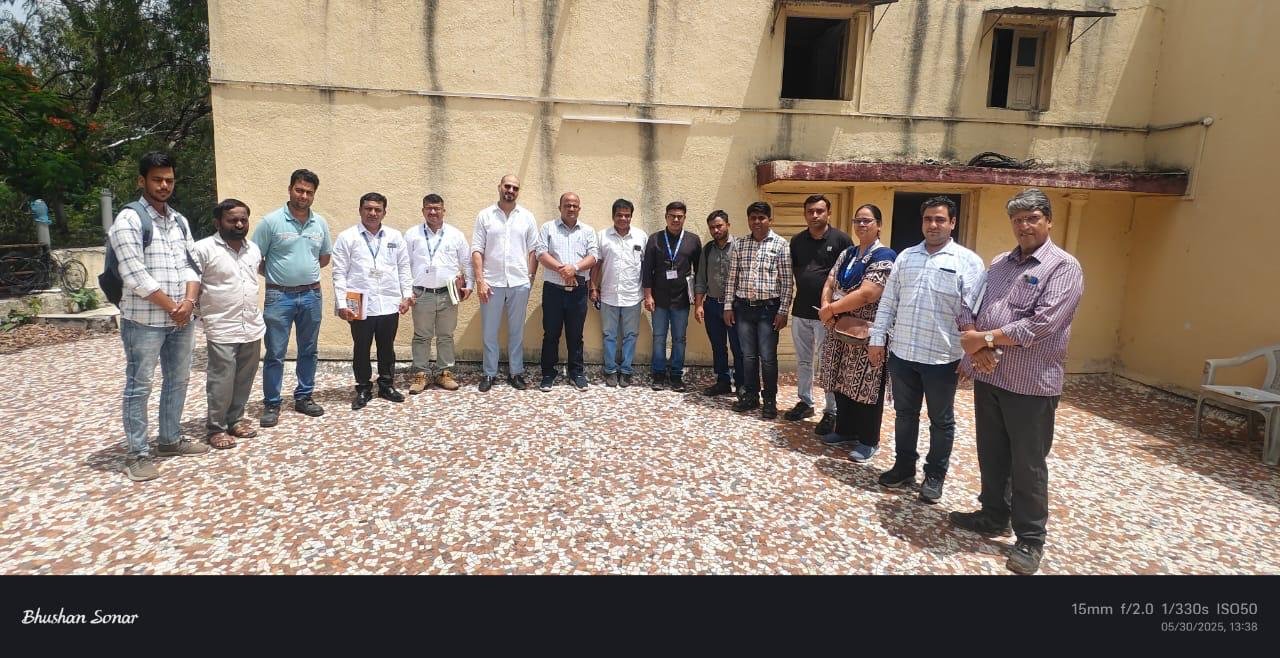
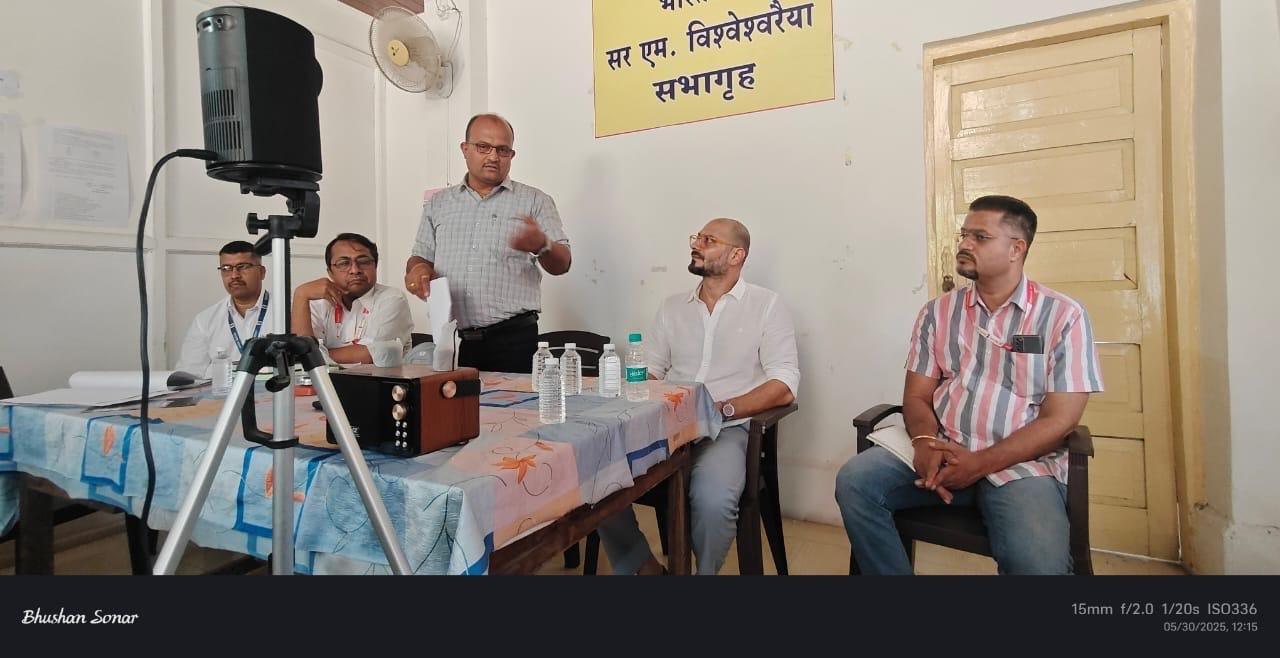
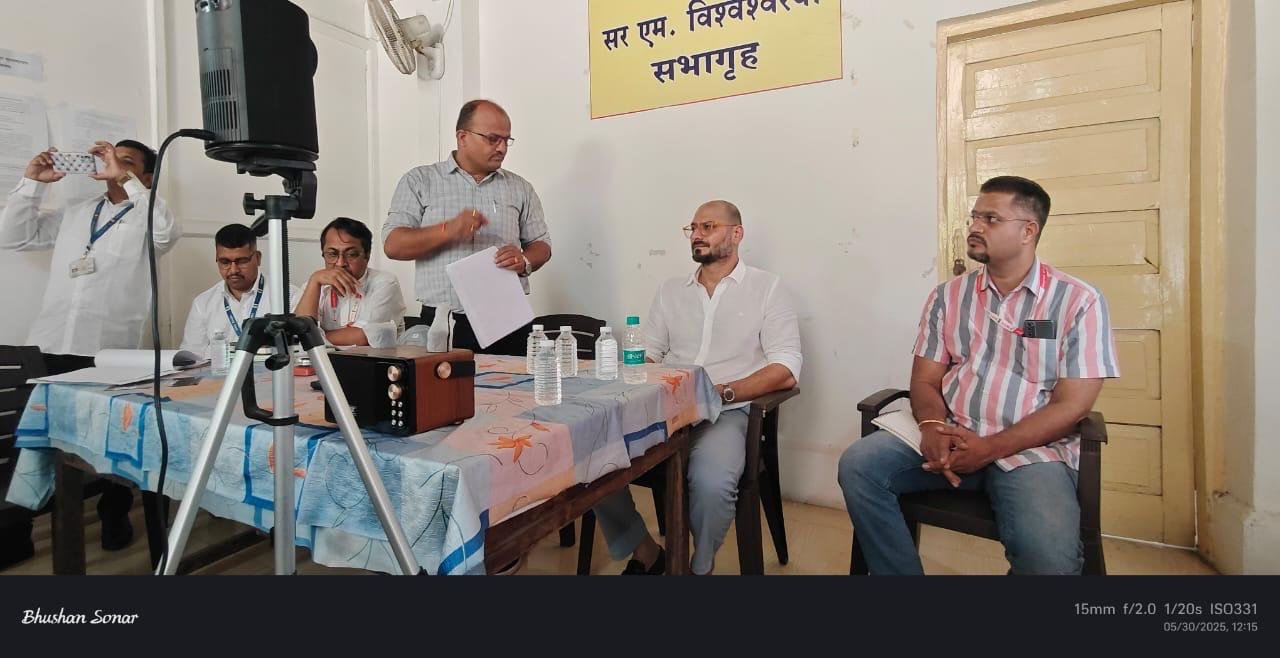
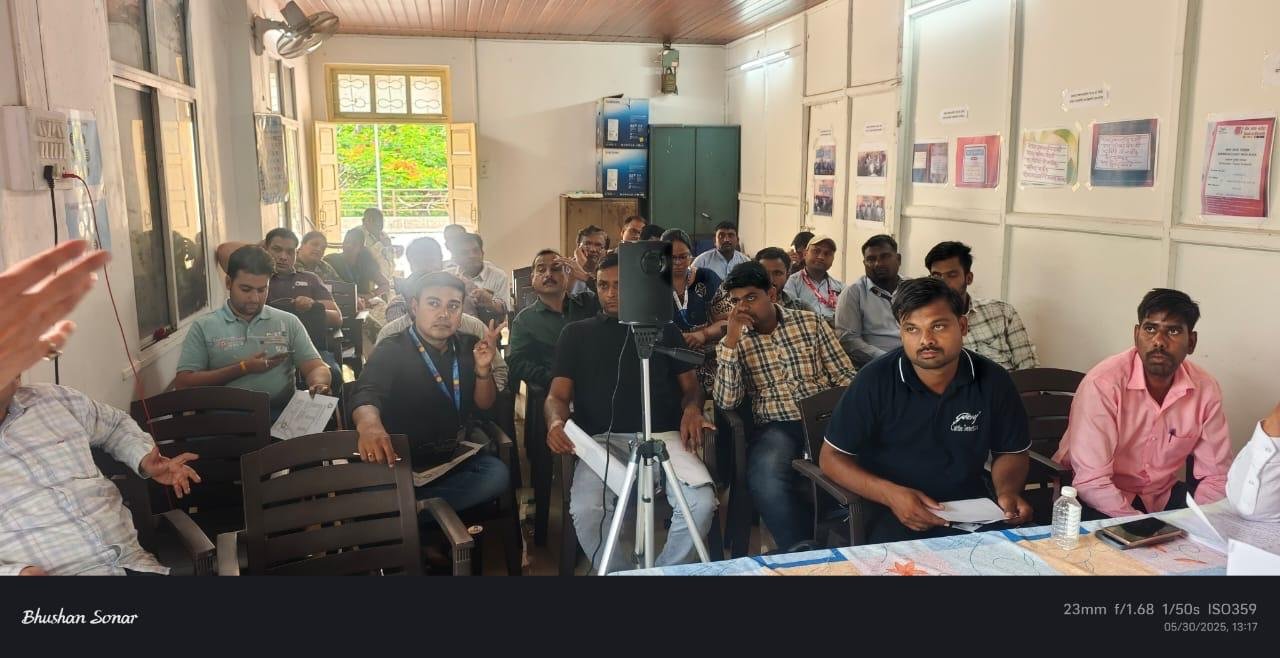
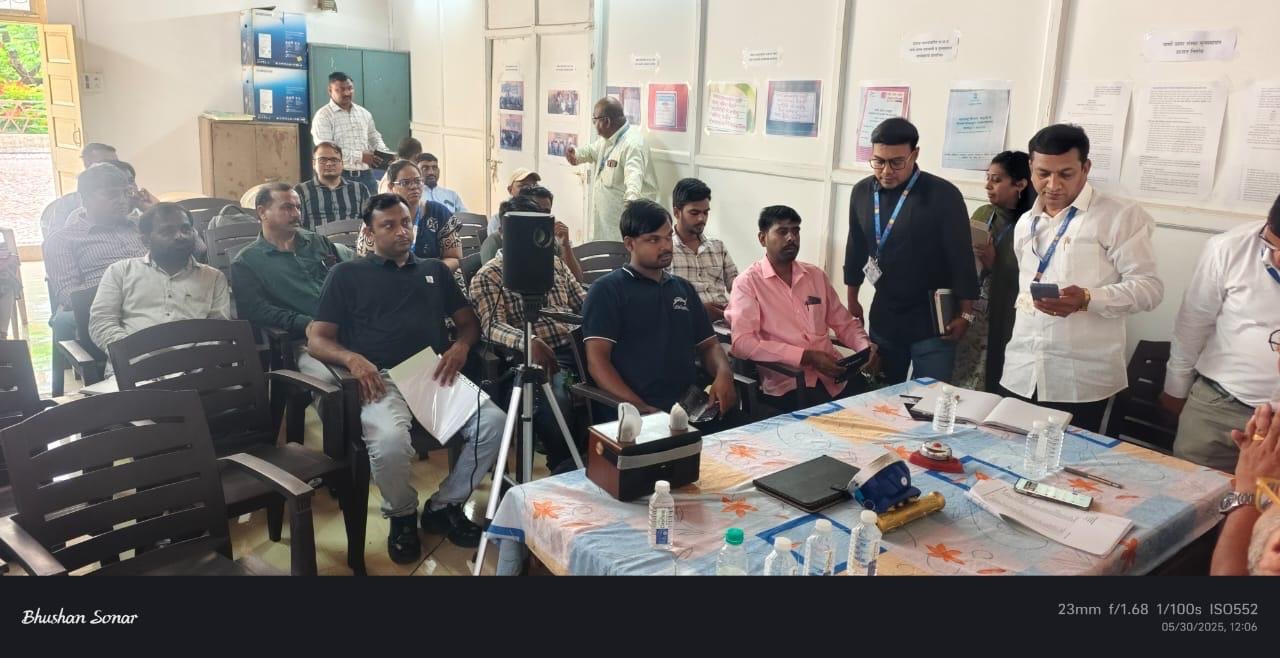
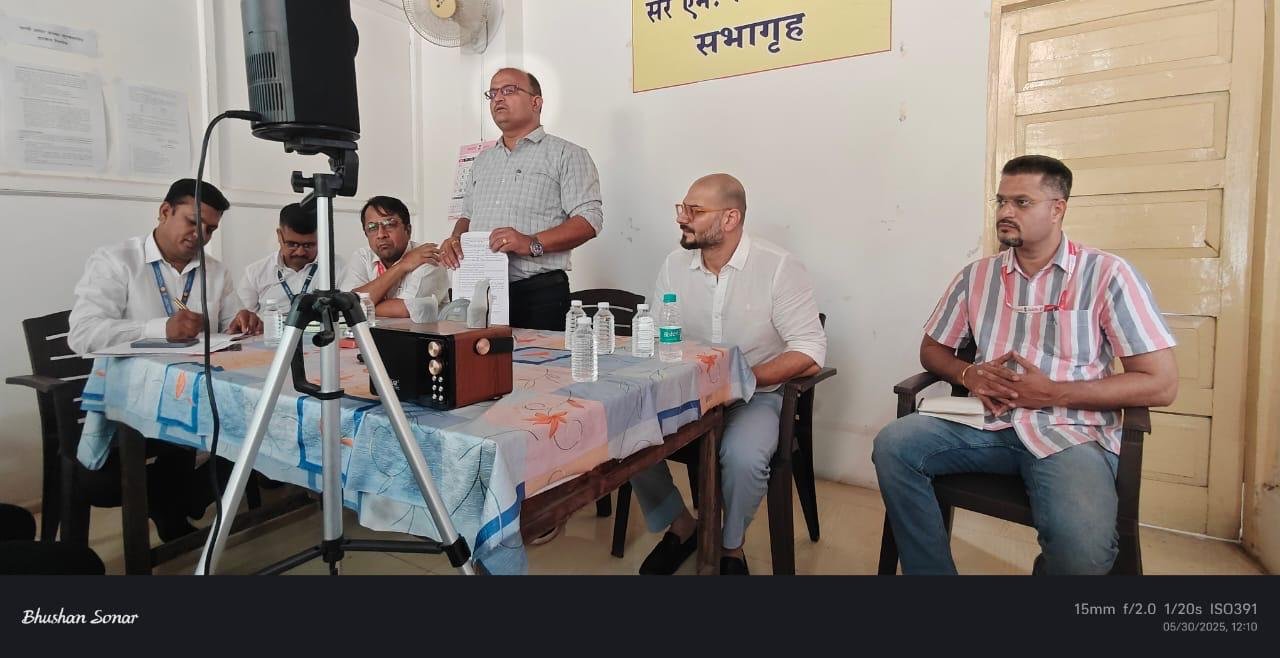
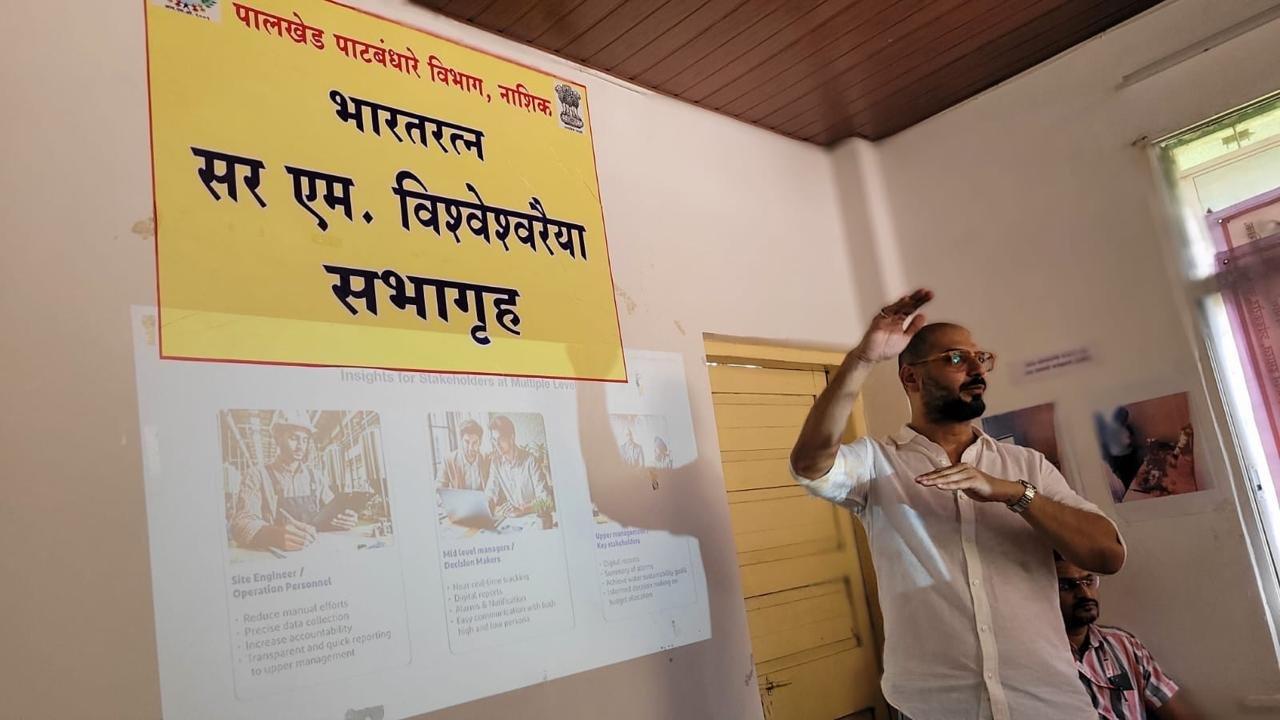
In a bold step towards digital transformation, the Irrigation Department of Maharashtra has launched an ambitious initiative to modernize how water is monitored and managed across the state. Recognizing the inefficiencies of traditional systems, the department has mandated that all non-irrigation consumers—ranging from industries to commercial facilities—transition from legacy mechanical or non-metered setups to SCADA-based smart water meters.
This decision marks a significant turning point in how India approaches sustainable water management.
At the heart of this initiative is the deployment of SCADA-based smart meters, a solution that enables accurate, real-time measurement of water consumption. Unlike conventional meters, which often rely on manual readings or outdated mechanisms, these smart systems integrate seamlessly with centralized monitoring dashboards.
Through live data feeds, authorities gain:
This proactive approach empowers the Irrigation Department to balance water supply and demand more efficiently, ensuring both economic and environmental sustainability.
The department has entrusted Agua Preciosa Enterprises LLP with the responsibility to supply, install, and integrate SCADA-based smart meters across the division. This is not just an equipment supply contract—it is a comprehensive solution that combines cutting-edge hardware, advanced IoT connectivity, and robust data management frameworks to serve the evolving needs of the irrigation ecosystem.
As a technology-forward water solutions provider, Agua Preciosa brings expertise in blending IoT innovations with real-world water challenges. India’s water management landscape is complex—marked by fluctuating demand, aging infrastructure, and the need to balance agricultural, industrial, and domestic usage. Agua Preciosa’s role is to bridge this gap by deploying solutions that are both technologically advanced and contextually relevant to the realities on the ground.
By linking each installed smart meter to the Irrigation Department’s centralized SCADA monitoring system, Agua Preciosa ensures that authorities gain:
This integration doesn’t just modernize water monitoring—it creates the backbone of a transparent governance system. For the first time, decision-makers can access a single source of truth for water usage across multiple stakeholders. This enables better enforcement of regulations, smarter allocation of scarce resources, and measurable progress towards sustainability goals.
Ultimately, Agua Preciosa’s contribution goes beyond technology—it is about building resilience into water management, ensuring that the state can safeguard its most vital resource for generations to come.
Among all divisions, Palkhed has taken the pioneering first step, marking itself as a frontrunner in the state’s digital water management journey. By moving ahead with the transition from legacy systems to smart SCADA-based meters, the division has not only complied with the department’s mandate but also set a benchmark for operational efficiency and foresight. This early adoption demonstrates the division’s commitment to embracing technology as a driver of sustainable growth, even before others have begun the transition.
By embracing this digital shift, Palkhed is building a reputation as a model of proactive governance and sustainable practice. It is showing other divisions—and indeed the wider irrigation ecosystem—that forward-thinking leadership combined with modern tools can result in more effective water governance. The benefits go far beyond internal monitoring; they translate into fairer distribution of resources, improved service delivery, and stronger accountability to both the government and the public.
This achievement has been made possible under the visionary leadership of Executive Engineer Vaibhav Bhagwat. His ability to recognize the importance of technology in transforming traditional water management systems has been instrumental in pushing this initiative forward. Rather than treating digitalization as an administrative obligation, he has positioned it as a strategic necessity, aligning day-to-day operations with longterm sustainability objectives.
His leadership reflects a broader truth: adopting technology in governance is no longer optional—it is essential for the challenges of tomorrow. As water scarcity intensifies, populations grow, and infrastructure demands increase, leaders who take decisive action today will ensure resilience for the future. In many ways, Bhagwat’s proactive stance illustrates the new face of public governance—one that values innovation, accountability, and sustainability as much as operational performance.
By setting this precedent, the Palkhed Division has not only transformed its own operations but has also created a replicable model for other divisions across Maharashtra and beyond. It shows that when leadership, vision, and technology converge, transformational change is not only possible—it becomes inevitable.
The implications of this initiative are far-reaching:
Greater accountability, efficiency, and planning ability.
Transparent billing, fair usage, and reduced wastage.
Smarter allocation ensures water security for future generations.
In essence, Palkhed’s early adoption signals the start of a larger movement within the irrigation ecosystem—one that combines digital innovation, operational efficiency, and environmental responsibility.
With the groundwork laid in Palkhed, the Irrigation Department is setting the stage for a state-wide transformation. As more divisions follow suit, Maharashtra could emerge as a benchmark in digital water governance for India and beyond.
By taking this bold step, the department reaffirms its dedication to building a future where every drop is measured, managed, and conserved wisely.